


First Tooth to Full Smile: Caring for Your Child’s Teeth
Parenting has many surprises (hello, 2 a.m. diaper changes, and epic toddler meltdowns). But you don’t want your kid’s first cavity to be one of them. Baby teeth might be small, but they play a big role in their health. Caring for your child’s teeth from the beginning can help set your little one up for a lifetime of healthy smiles.
Let’s explore the journey of teeth, from those first pearly whites to the grown-up set, with tips and advice to make caring for them manageable—and maybe even a little fun!
Baby teeth to big kid smiles
Babies are born with a set of teeth hidden under the gums, and soon, they start popping out. Here’s how the timeline usually plays out:
Teething (around 4 to 7 months)
Most babies will grow their first tooth—usually one of the bottom front teeth—by about six months. Expect some drooling and gnawing, but most babies have an easy time with teething. I like to tell parents that teething usually just causes one thing – teeth! If your baby seems uncomfortable, give them hard teething toys and rub their gums. If they need medicine, use some acetaminophen, but skip any numbing gels placed on their gums – these can easily be overused since babies can’t spit them out.
Full set of baby teeth (by age 3)
Most kids have a full set of 20 baby teeth by their third birthday. These are smaller but just as important as the adult ones.
Bye-bye baby teeth (around age 6 to 12)
Baby teeth start to fall out as adult ones push through. The front teeth usually go first (get ready to play Tooth Fairy!) and are replaced by permanent teeth over several years.
The grown-up set (by age 13-ish)
Most kids will have 28 permanent chompers by their teens, with wisdom teeth possibly appearing in their late teens or early twenties, if they come in at all.
Grand Total? 32! That’s right, fully-grown humans have 32 teeth (counting those wisdom teeth).
Caring for those tiny teeth
Baby teeth may be temporary, but they play a big role in helping kids chew, speak, and hold space for the adult ones. Follow these tips from the start to set the stage for a healthy smile:
1. Start early
Even before teeth show up, clean your baby’s gums with a clean, wet washcloth after feedings. Once the first one appears, switch to a baby toothbrush with a tiny smear of fluoride toothpaste. Since they can’t spit it out, you don’t want more than the size of a grain of rice. However, even a small amount of fluoride is important to keep their teeth strong and cavity-free.
2. Brush twice a day
Cleaning teeth after breakfast and before bed is important and can be fun. Sing a silly toothbrushing song or let your toddler “help” by holding the brush. Some little ones really love brushing! But some really don’t. If your child fights brushing, have someone else help hold them while you scrub. Talk with your child to let them know how important brushing is and keep up the routine – no matter how much they fuss. Soon, they will stop and usually even begin to have fun.
3. Schedule the first dentist visit
Schedule your baby’s first dental check-up by their first birthday.
Keeping big kid smiles healthy
When those baby teeth start to wiggle and fall out, your child’s dental care routine should grow up, too.
1. Use the right amount of toothpaste
By age 3, kids can use a pea-sized amount of fluoride toothpaste. Teach them to spit it out after brushing to avoid swallowing too much.
2. Supervise brushing
Most kids don’t have the dexterity or patience to brush well until they’re around 7 or 8 years old. Until then, you’re their dental assistant. I might have been a bit obsessed with clean teeth, but I still checked my kids’ brushing work until they were 11!
3. Floss like a boss
Many dental health ad campaigns use this fun phrase to tell us how important flossing is – and they’re right! Once teeth touch (usually by age 2 to 3), it’s time to start flossing. There are kid-friendly flossers that make this easier—and more fun.
4. Go to the dentist regularly
The American Dental Association recommends check-ups every six months. These visits help catch any issues early and keep teeth sparkling. Kids who grow up attending regular dental visits learn they do not need to be scared of the dentist.
5. Limit sugary snacks and drinks
Sweet drinks, candy, and sticky snacks are fast-tracks to cavities. Serve your kids just water and save sweets for occasional treats. After treats, be sure to brush as soon as you can.
Top tips for dental care success
- Make it fun: let your child pick out their toothbrush and toothpaste (tons of kid-friendly options feature their favorite characters).
- Create a routine: brush and floss at the same times each day to make it a habit.
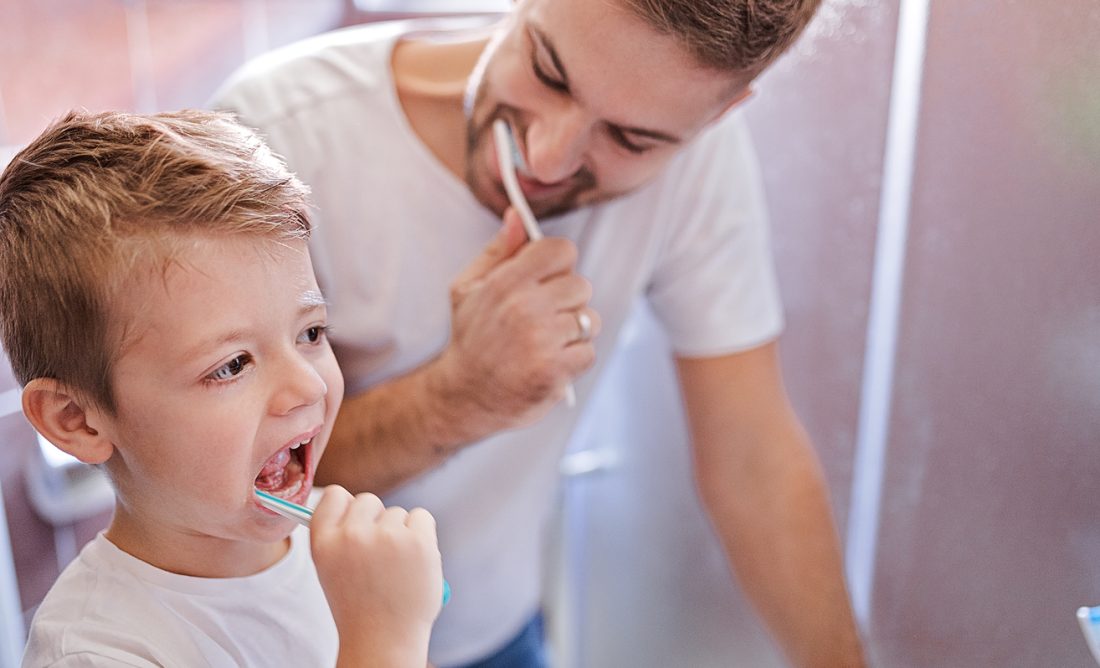
- Be a role model: kids love copying their parents, so let them see you brushing and flossing, too.
Caring for your child’s teeth doesn’t have to be a battle. By starting early and making dental care a regular part of your routine, you’re giving them a gift that lasts a lifetime—a strong, confident smile. Here’s to healthy smiles for the whole family!


About the Author

Disclaimer: If you have an emergency medical condition, call 911 or go to the nearest hospital. An emergency medical condition is any of the following: (1) a medical condition that manifests itself by acute symptoms of sufficient severity (including severe pain) such that you could reasonably expect the absence of immediate medical attention to result in serious jeopardy to your health or body functions or organs; (2) active labor when there isn't enough time for safe transfer to a Plan hospital (or designated hospital) before delivery, or if transfer poses a threat to your (or your unborn child's) health and safety, or (3) a mental disorder that manifests itself by acute symptoms of sufficient severity such that either you are an immediate danger to yourself or others, or you are not immediately able to provide for, or use, food, shelter, or clothing, due to the mental disorder. This information is not intended to diagnose health problems or to take the place of specific medical advice or care you receive from your physician or other health care professional. If you have persistent health problems, or if you have additional questions, please consult with your doctor. If you have questions or need more information about your medication, please speak to your pharmacist. Kaiser Permanente does not endorse the medications or products mentioned. Any trade names listed are for easy identification only.