


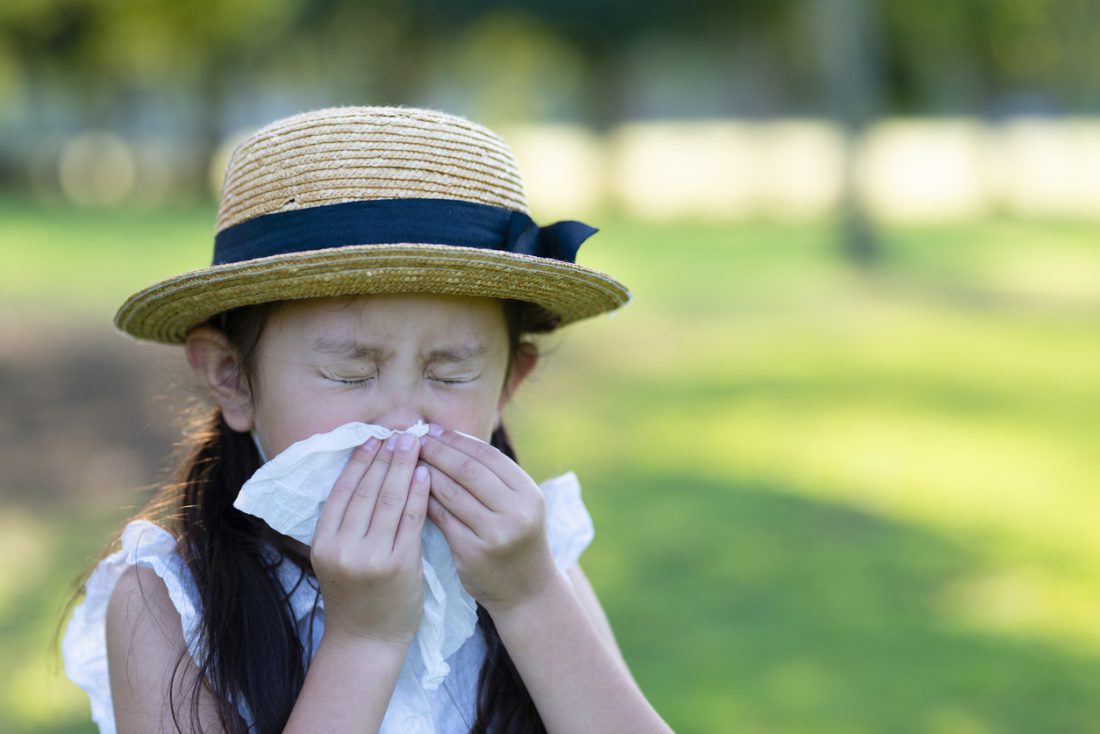
Cold or Allergies in Kids? How to Tell the Difference
This time of year, it can be hard to know if your child has symptoms caused by a lingering cold or allergies. Is that cough left over from a virus they caught several weeks ago? Or is it the first sign that their allergy season has begun?
Colds are caused by viruses caught after exposure to an ill person. Your body usually fights off the cold with symptoms decreasing after 10-14 days. Colds are most common in fall and winter.
Allergy symptoms occur when a person’s immune system reacts to a trigger or “allergen.” Allergies can occur year round if a child is exposed to allergens they are sensitive to. If they are allergic to pollens – their symptoms will be worst in the spring and maybe summer. Spring allergies are often called “hay fever.” Some people are sensitive to indoor allergens like mold, dust mites and pet dander. They will often have worsened symptoms in the winter when spending time indoors with heated air circulating the allergens in the home.
How do you know if your child has allergies or another cold?
While colds and seasonal allergies can look similar at first glance, there are some key clues that can help you figure out what’s going on.
Signs It May Be Seasonal Allergies
Seasonal allergies (also called “hay fever”) are caused by the immune system reacting to things like pollen, grass, or pet dander. Symptoms often follow predictable patterns and exposures.
Common allergy symptoms include:
- Itching is the hallmark symptom
Allergies often cause itchy eyes, nose, throat, and even ears. If your child is constantly rubbing their eyes or nose, allergies are more likely. Some children rub their nose so much they develop a line or slight wrinkle across the middle of it! Colds typically do not cause itching. - Watery eyes and clear nasal drainage
Allergy mucus is usually thin and clear. Eye discharge may be watery or sometimes white and stringy. Thick yellow or green mucus is less typical for allergies. - Frequent, repetitive sneezing
Allergies often cause rapid bursts of sneezing. Colds can cause sneezing too, but usually less intensely and for fewer days. - Symptoms linked to exposure
A big clue: your child may seem perfectly fine indoors but develop symptoms quickly after playing outside or being around triggers like grass or pollen. - Symptoms that linger without improvement
Allergies can persist for weeks or even months during a season, if allergen exposure continues.
Signs It May Be a Cold Virus
Colds are caused by viruses and tend to follow a more defined course.
Common cold symptoms include:
- Symptoms after exposure to an ill person
Colds often begin a few days after exposure and start with a sore throat, runny nose, cough, and fatigue. Body aches and low grade fever can also occur. Colds cause coughing – allergies cause a cough less often. Unless your child has asthma, hay fever won’t usually cause a lot of cough. - Fever or general “sick” feeling
Allergies do not cause fever. If your child has a fever or seems achy a virus is more likely. Both colds and hay fever can cause a child to be tired – but kids usually seem more energetic and less sick when they have allergy symptoms. - Changing mucus over time
It’s common for cold symptoms to start with clear mucus and then become thicker, sometimes yellow or green, as the illness progresses. - Gradual improvement
Most colds last about 7–10 days, though cough and congestion can linger a bit longer. You should see at least some improvement over time. On the opposite hand, allergy symptoms can last for months.
When to Check in With Your Pediatrician
Reach out to your child’s healthcare provider if your child has:
- Symptoms last longer than 2 weeks without improvement.
- Fever for more than a few days.
- Symptoms that seem to be worsening.
- Persistent cough that disrupts their sleep.
- Trouble breathing, wheezing or rapid breathing.
- Symptoms or fatigue that affecting daily activities or school.
- Asthma that is not being controlled by their usual medicines.
- Any other symptoms that concern you – it is always best to reach out to us for support.
The Bottom Line on How to Tell Allergies From Colds
- Itching, sneezing and clear, watery drainage with environmental triggers? Think allergies.
- Cough, sore throat, low grade fever that has gradual improvement? Think cold virus.
And when in doubt, you’re not expected to figure it out alone—that’s exactly what we’re here for!


About the Author

Disclaimer: If you have an emergency medical condition, call 911 or go to the nearest hospital. An emergency medical condition is any of the following: (1) a medical condition that manifests itself by acute symptoms of sufficient severity (including severe pain) such that you could reasonably expect the absence of immediate medical attention to result in serious jeopardy to your health or body functions or organs; (2) active labor when there isn't enough time for safe transfer to a Plan hospital (or designated hospital) before delivery, or if transfer poses a threat to your (or your unborn child's) health and safety, or (3) a mental disorder that manifests itself by acute symptoms of sufficient severity such that either you are an immediate danger to yourself or others, or you are not immediately able to provide for, or use, food, shelter, or clothing, due to the mental disorder. This information is not intended to diagnose health problems or to take the place of specific medical advice or care you receive from your physician or other health care professional. If you have persistent health problems, or if you have additional questions, please consult with your doctor. If you have questions or need more information about your medication, please speak to your pharmacist. Kaiser Permanente does not endorse the medications or products mentioned. Any trade names listed are for easy identification only.