


6 Things You Never Knew You Needed to Know about Earwax
Here’s how to tell whether your child’s earwax is a problem – and, if so, what to do about it.
- It’s normal to have wax in our ears. Earwax that doesn’t cause symptoms or block the ear canal should be left alone.
- Earwax keeps our ears clean. Earwax is produced by the body to clean dust, dirt, and dead skin cells out of the external auditory canal (EAC). The EAC is a tube that ends at the eardrum. It’s lined by skin cells and produces wax that slowly moves out to clean the canal and keep the eardrum safe.
- Some people have drier earwax and others have wetter earwax. According to recent studies, the type of earwax you have is inherited. If a parent has wet wax, a child is more likely to have wet wax as well. (At Thanksgiving, perhaps you will want to check out your relative’s ears?) Wet wax is more common in Caucasians and African Americans; dry wax is more common in Asian and Native American populations.
- Don’t use cotton swabs to clear out earwax. They can pack the wax deeper in the EAC, causing it to become clogged and blocking the eardrum. Besides, too much cleaning may bother your child’s ear canal, make it itch, and cause infection. Never put anything else (like a hairpin or tweezers) in the EAC – this can cause injury. That’s why pediatricians like to tell kids “nothing but your elbow should go in your ear.”
- Clean your child’s ears gently. Just wipe your child’s ear, focusing around the opening to the ear canal, with a towel or washcloth. That will remove the earwax people can see and keep your child’s ears healthy and looking clean.
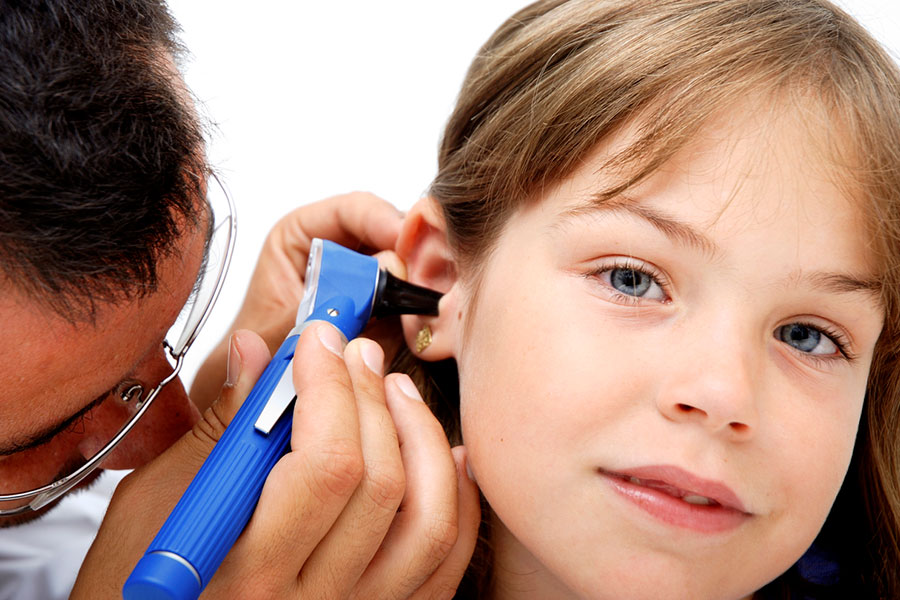
- An ear wash might be needed. Your child’s pediatrician may do an ear wash. Earwax can make it hard to see the eardrum to diagnose an ear infection. An earwax buildup can also cause decreased hearing, pain, and ringing. An ear wash can remove food or other items that could end up in the EAC – you’d never believe all the crazy things kids put in ears!


About the Author

Disclaimer: If you have an emergency medical condition, call 911 or go to the nearest hospital. An emergency medical condition is any of the following: (1) a medical condition that manifests itself by acute symptoms of sufficient severity (including severe pain) such that you could reasonably expect the absence of immediate medical attention to result in serious jeopardy to your health or body functions or organs; (2) active labor when there isn't enough time for safe transfer to a Plan hospital (or designated hospital) before delivery, or if transfer poses a threat to your (or your unborn child's) health and safety, or (3) a mental disorder that manifests itself by acute symptoms of sufficient severity such that either you are an immediate danger to yourself or others, or you are not immediately able to provide for, or use, food, shelter, or clothing, due to the mental disorder. This information is not intended to diagnose health problems or to take the place of specific medical advice or care you receive from your physician or other health care professional. If you have persistent health problems, or if you have additional questions, please consult with your doctor. If you have questions or need more information about your medication, please speak to your pharmacist. Kaiser Permanente does not endorse the medications or products mentioned. Any trade names listed are for easy identification only.