



What Does My Child’s “ACEs” Number Mean?
You might’ve noticed a new questionnaire at your pediatrician’s office that asks about hard things that may have happened in your child’s life. The questions help us identify ACEs, which stands for Adverse Childhood Experiences. Why are we doing this?
We ask because recognizing ACEs and helping to address the effects they might have on children, can lead to healthier kids and adults. In the 1990s, researchers from Kaiser Permanente and the Centers for Disease Control and Prevention (CDC) started examining how childhood experiences affect adults’ health. Now, doctors and communities around the globe are learning more about ACEs to help better understand health concerns and set priorities in our communities. Screening for ACEs is becoming a routine part of health care, like checking your child’s temperature. If we can identify ACEs early on, we can better support children’s developing brains.
So, what exactly are ACEs?
There are 10 categories of ACEs:
- Three types of abuse: physical, emotional, and sexual
- Two types of neglect: physical and emotional
- Five types of household concerns: mental illness in the home, a relative being incarcerated, domestic violence, substance abuse in the home, and parental separation or divorce
To get a fuller picture of your child’s experience, we also discuss their exposure to community violence, discrimination, or struggles with food and housing. We also ask about your child’s strengths and the resiliency they’ve shown in weathering these challenges.
Scientific studies show a “dose-response relationship,” meaning that higher ACE numbers have stronger associations with worse health concerns. Researchers are studying how events from the past affect our physical and mental health and, what’s most important, how we can adapt to stay healthy.
I vividly remember the first time I heard Dr. Nadine Burke Harris, now our California Surgeon General, speak about ACEs, and how moved I was. She helped me realize how adaptive body responses could be amplified in unhealthy ways for kids with chronic stress. (You can watch one of her powerful talks here.) For many children, ACEs can lead to “toxic stress,” when the body’s natural stress response is set in overdrive. Over time, toxic stress can make us sick, especially if we aren’t aware of its effects. For example, ACEs may play a role in children’s sleep patterns, readiness for learning, and body aches and pains. By identifying ACEs, toxic stress, and resiliency, we can work together to help support children’s health.
What if my child’s ACEs number is high?
If a screening has identified a high number of ACEs for your child, talk with your pediatrician. We have many local and online resources to support your family and community. But please understand that an ACEs number is not destiny. Its purpose is to highlight opportunities for growth and resilience as we nurture healthy kids.
How can I prevent or lessen the effects of ACEs?
The truth is, we can’t prevent all ACEs. However, we can help by making sure all kids in our communities have their physical needs met and have safe, stable, nurturing relationships. Some important ways you can do this include:
- Prioritizing kids’ physical and emotional safety
- Nurturing your own health
- Partnering with other parents in your life to support one another
- Teaching kids skills to build resilience
- Letting kids know you care with eye contact and attention
- Joining programs for families in your community
In my view, we’re all in this together. One of my greatest joys as a pediatrician is when parents share a moment of awe about their child. When your child’s doctor asks about ACEs, it’s a way of showing how much they care. It’s also an invitation to partner with them, to be aware of possible health risks, and meet them head-on with strength and resiliency.
Resources For Parents
My Doctor Online: Understanding ACEs (Adverse Childhood Experiences) and Building Resilience
American Academy of Pediatrics: Childhood Adversity: Buffering Stress & Building Resilience
Handout: 5 Steps for Brain-Building Serve and Return – Center on the Developing Child at Harvard University
Activity Guide: Activities Guide: Enhancing & Practicing Executive Function Skills (harvard.edu)
Video on toxic stress and what to do about it: Stress and Resilience: How Toxic Stress Affects Us, and What We Can Do About It (harvard.edu)
Video series on resilience: InBrief: Resilience Series – Center on the Developing Child at Harvard University


Featured Author
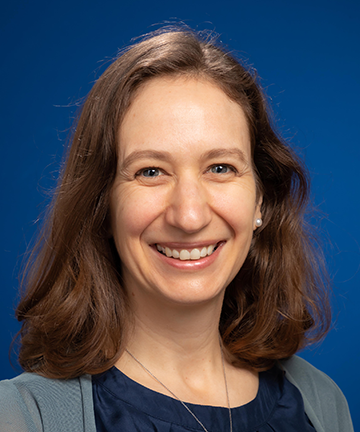 Dr. Tricia Tayama's bio reads: "It is a privilege as a pediatrician to help children grow and develop. Whether working with infants, children, or teens directly or supporting their parents and caregivers, my goal is to provide the best medical care possible to help children reach their full potential.
After growing up in Southern California, Dr. Tayama attended Harvard for college, the University of California, San Francisco for medical school, and the University of California, Berkeley for a master’s degree in public health. After graduating from medical school in 2005, she continued at the University of California, San Francisco for residency training, including a chief residency year at San Francisco General Hospital. She was able to spend ten years as a pediatrician for San Mateo County, before joining Kaiser Permanente in 2020." Dr. Tayama's biography can be found on My Doctor Online.
Dr. Tricia Tayama's bio reads: "It is a privilege as a pediatrician to help children grow and develop. Whether working with infants, children, or teens directly or supporting their parents and caregivers, my goal is to provide the best medical care possible to help children reach their full potential.
After growing up in Southern California, Dr. Tayama attended Harvard for college, the University of California, San Francisco for medical school, and the University of California, Berkeley for a master’s degree in public health. After graduating from medical school in 2005, she continued at the University of California, San Francisco for residency training, including a chief residency year at San Francisco General Hospital. She was able to spend ten years as a pediatrician for San Mateo County, before joining Kaiser Permanente in 2020." Dr. Tayama's biography can be found on My Doctor Online. Disclaimer: If you have an emergency medical condition, call 911 or go to the nearest hospital. An emergency medical condition is any of the following: (1) a medical condition that manifests itself by acute symptoms of sufficient severity (including severe pain) such that you could reasonably expect the absence of immediate medical attention to result in serious jeopardy to your health or body functions or organs; (2) active labor when there isn't enough time for safe transfer to a Plan hospital (or designated hospital) before delivery, or if transfer poses a threat to your (or your unborn child's) health and safety, or (3) a mental disorder that manifests itself by acute symptoms of sufficient severity such that either you are an immediate danger to yourself or others, or you are not immediately able to provide for, or use, food, shelter, or clothing, due to the mental disorder. This information is not intended to diagnose health problems or to take the place of specific medical advice or care you receive from your physician or other health care professional. If you have persistent health problems, or if you have additional questions, please consult with your doctor. If you have questions or need more information about your medication, please speak to your pharmacist. Kaiser Permanente does not endorse the medications or products mentioned. Any trade names listed are for easy identification only.