


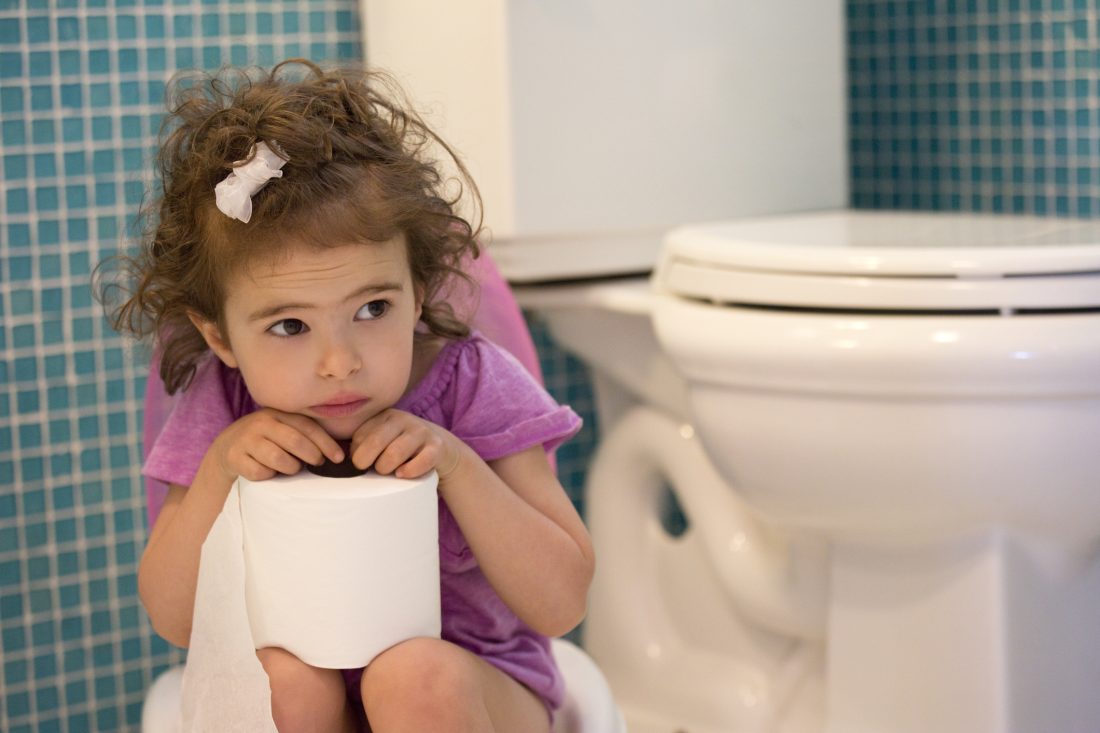
Why is My Child Resisting Toilet Training?
Many toddlers are resistant to potty training – and understanding why will make it easier for you to help them learn. Often, they’re just focused on playing and don’t want to stop to use the “big kid potty.” But sometimes, kids are afraid of using it. Their fears may not be obvious or make sense to you, but they’re very real to your child. Some kids are afraid of falling in the potty, or that pooping in the toilet might hurt. Others are scared of the loud noise of flushing or find the idea of flushing unsettling.
There are some easy steps to help a child who is scared of using the potty.
The first step to help your child get past the resistance is to understand why they’re having difficulty. Start by asking how they feel about potty training. They may have a lot to say! If not, try playing with stuffed animals and role-play going to the potty. While you do this, have your animal talk about things they’re worried about – and see what your child says or does.
My middle child started showing signs that she was ready to toilet train early at about 20 months. Things went well for months, and I thought we were in the home stretch. Then she started refusing to sit on the toilet. One day, I asked why she wouldn’t use the toilet anymore. She said, “Too loud!” Turns out she was remembering a time when she was in a public restroom and was startled by the automatic flush. I couldn’t blame her for being scared after that!
Some common potty training fears include:
Fear of Falling In
Toddlers are little, and toilets are pretty big – it isn’t unreasonable for them to be scared to sit on them. You can start by having your child use a small training potty at first. Trying having them choose one they like and decorate it with stickers and their name. When they’re used to this, you can switch to placing a child-size toilet seat ring on top of the toilet to make the opening smaller. Be patient and reassure your child that they won’t fall in or get hurt.
Fear of the Flush
When you’re small enough to be right at toilet height, the flushing action can be pretty scary (especially those automatic ones that sneak up on a kid and flush when they aren’t expecting it!) Helping with this also comes down to reassurance and warning. Let them know when a flush will happen – or let them control the flush and say bye-bye to their poop and pee.
Fear of Painful Poop
This usually happens after a child has had large, hard, and painful stools. These will often cause slight tearing or trauma at the anus. With every subsequent stool, the tear can get reopened a bit – and hurt all over again. To help this common problem, you need to make sure your child has very soft stools for a while so they can learn that pooping doesn’t have to hurt. Follow their doctor’s advice for treating constipation and consider using a stool softener.
Fear of “Losing” the Poop
This one may sound surprising, but it’s common for young children to view poop as part of their body, which can make them feel confused or upset by flushing it away. To help, you can explain that the poop is just what’s left of the food they ate, and that their body is done with it. Reassure them that it’s not part of their body anymore and it’s okay to let it go away.
Some kiddos aren’t worried or afraid – they’re just distracted, uninterested, or having fun elsewhere. These kids may need lots of reminders to get to the toilet in time. If they have an accident and won’t admit their diaper needs to be changed, don’t ask, “Did you poop?” And don’t scold. Instead, say, “It’s time to change your diaper. Next time, I know you’ll try to go on your potty!”
Other causes of toilet training resistance are:
- Regression when a new sibling arrives. This is normal – try to either potty train well before a new baby is due or wait until things have settled down after their arrival.
- Sadness about growing up and leaving babyhood. Talk with your child about this. What are the pros and cons of becoming a bigger kid? If you’ve been talking about being sad about how “your
- An attempt to get more parental attention. Young kids often act out to get attention – even if the attention isn’t good or fun. Finding more time in your busy day can feel challenging, but spending more time focused on just your child- even 10 to 15 minutes per day- can really help. This is especially important if a new baby has entered the picture and is getting more of your time. Try to play games, read books, or take walks just with your toddler.
No matter what is making toilet training go slowly for your child, the most important things you can do to help speed things up are:
- Channel your inner Ms. Rachel and be super patient. Try to avoid getting frustrated when there are accidents or resistance. Remember how young your child is and try to see this process from their eyes.
- Help them feel confident with all the skills needed to use the toilet – washing hands well, pulling pants and underpants up and down, etc. Confidence will make them braver.
- Offer lots of positive encouragement.
- Consider small fun rewards – even if they just sit on the potty and try. I was able to motivate one of my kids with Cheetos. For a while, he got one every time he tried to use the potty.
- Distract them and make the process fun. Sing songs, read books, and tell silly jokes. Blowing bubbles is fun and teaches them how to bear down and produce stools.
- Talk with them about any fear or anxiety they have.
- Read books that show characters also learning to use the potty.
- After they are comfortable with your home toilet, start exposing them to others at daycare or grandparents’ homes. Then advance to going in public places – just warn them about the big scary automatic flushing machines so no one gets startled.
Resources for Parents
American Academy of Pediatrics
Toilet Training


About the Author

Disclaimer: If you have an emergency medical condition, call 911 or go to the nearest hospital. An emergency medical condition is any of the following: (1) a medical condition that manifests itself by acute symptoms of sufficient severity (including severe pain) such that you could reasonably expect the absence of immediate medical attention to result in serious jeopardy to your health or body functions or organs; (2) active labor when there isn't enough time for safe transfer to a Plan hospital (or designated hospital) before delivery, or if transfer poses a threat to your (or your unborn child's) health and safety, or (3) a mental disorder that manifests itself by acute symptoms of sufficient severity such that either you are an immediate danger to yourself or others, or you are not immediately able to provide for, or use, food, shelter, or clothing, due to the mental disorder. This information is not intended to diagnose health problems or to take the place of specific medical advice or care you receive from your physician or other health care professional. If you have persistent health problems, or if you have additional questions, please consult with your doctor. If you have questions or need more information about your medication, please speak to your pharmacist. Kaiser Permanente does not endorse the medications or products mentioned. Any trade names listed are for easy identification only.