


Teens, Piercings, and Tattoos
Recently, I had a patient visit with a complaint of ear lobe swelling. She had had her ears pierced at a well-regarded tattoo and piercing studio a few weeks before. Despite following the studio’s aftercare recommendations, one of her piercings became a bit irritated and suddenly “blew up overnight.” When she came to the office, I couldn’t even see the front of the earring that had become fully embedded in her ear lobe.
Ear piercings are a type of “body modification,” or a way to permanently alter one’s appearance. Tattoos and other types of body piercings are also body modifications that are increasingly common forms of self-expression in the United States.
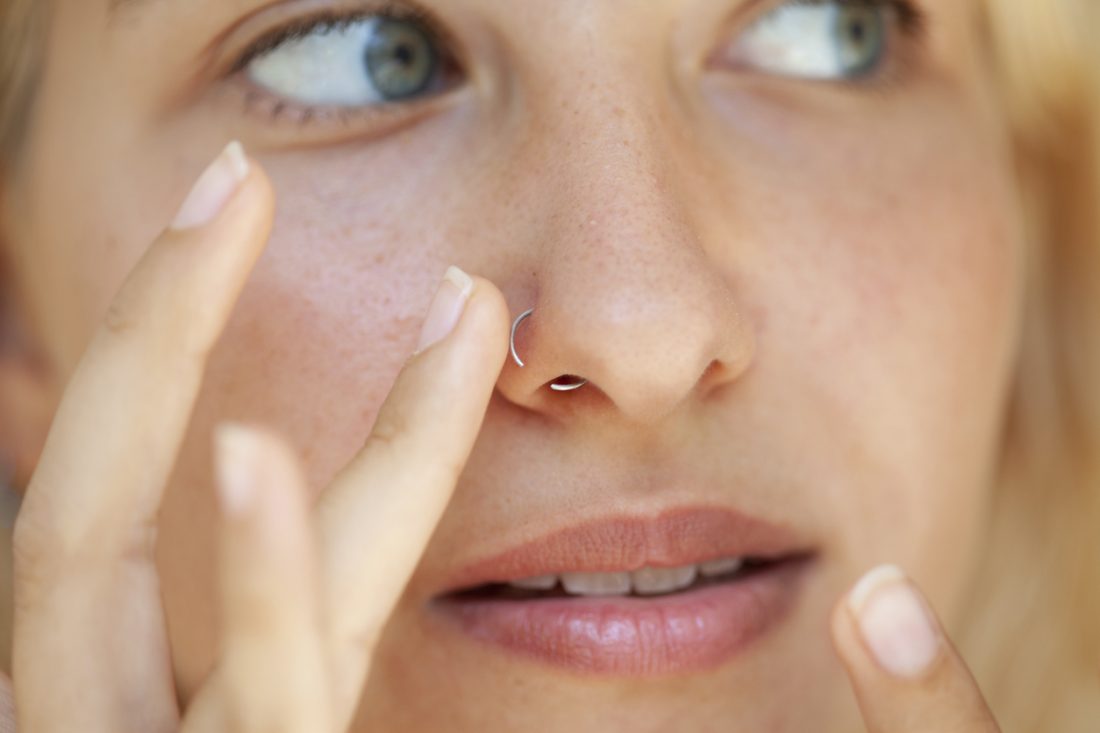
Body modification of any type can lead to complications like my patient experienced. While most kids’ ear lobe piercings heal well with proper care, certain piercing locations have higher risk of complications – particularly the tongue, nasal septum, genitalia and dermal piercings. Most reactions tend to be minor, but there can also be serious, life-threatening complications such as infection, hematomas, embedded jewelry, keloid scarring, ripped holes or permanent stretching. That’s why it’s important to watch for any symptoms and reach out to your doctor promptly if you notice anything concerning.
It’s always recommended to have these modifications done by a trained professional, who will use proper techniques and explain the risks and how to take care of the site at home. Proper sterilization of needles is of utmost importance to prevent life-threatening bloodborne infections like HIV and hepatitis B and C. A piercing professional can also guide jewelry choices for new piercings to minimize the chances of inflammation.
Tattoo complications are uncommon if done by professionals and cared for appropriately. However, sensitivity to the pigments that give tattoos color can cause inflammation, and conditions such as eczema, psoriasis, or lupus can be worsened by tattooing. Local infections can occur from contaminated tattoo ink/needles or from scratching the skin after tattooing.
In most states, to have a piercing done under the age of 18, parent/guardian consent is required. Tattooing may be done as young as 16 with parental consent in a few states, whereas many states prohibit tattoos under the age of 18 even with parental permission.
My teen wants to get a tattoo or piercing. How should I respond?
- Listen to them – ask them to explain why they want the tattoo or piercing.
- Encourage them to think about how this permanent body modification could affect their body in the future. For example, nipple piercings could affect breastfeeding a baby in the future. Tattoos on the abdomen may stretch with weight gain or body changes. If a tattoo is on an “exposed area,” will they be able to cover it up if an employer requires it?
- You might consider a waiting period to see if your teen is still as eager to have the procedure done after the time has passed.
Aren’t there lasers that can remove tattoos?
- Yes, but they aren’t 100% effective. The previously tattooed skin usually appears different than the surrounding skin after treatment.
- Repeated treatments are required, which can cost hundreds to thousands of dollars.
Won’t piercings heal up if my teen takes out the jewelry?
- Even for earlobes, there will always be a permanent scar once a piercing is removed.
- Many people develop keloids at piercing sites, which are difficult to treat.
- “Gauges” or “plugs” piercings (intended to stretch out the earlobes), permanently extend the hole, even when jewelry is removed.
I approve of my teen’s plan to get a tattoo or piercing. What else should I help them consider?
- Where can they have it done safely?
- Are their immunizations up to date, especially hepatitis B and tetanus?
- Do they have any underlying medical conditions that could be exacerbated by this procedure?
Piercings and tattoos are common modes of self-expression, but tastes can change. As a parent, you can use opportunities like these to help your teen prepare for their own decision making in adulthood. Listen to their ideas and guide them through the research, the risks, and the responsibilities that come with body modifications. You can use this moment to help them build the skills to make thoughtful, informed choices for life.


Featured Author
 Dr. Lindsay Frost's biography reads: I joined the pediatrics team at Kaiser Permanente South Sacramento in 2018 to help kids thrive. During my medical training, I pursued a Masters degree in public health and health promotion. I enjoy being able to foster long-term relationships with patients and their families, providing care in both health and illness as children grow. Some of my most relevant experiences as a pediatrician have come from my two children, who have “trained” me first-hand on the challenges of parenthood.
Read more at https://mydoctor.kaiserpermanente.org/ncal/providers/lindsayfrost
Dr. Lindsay Frost's biography reads: I joined the pediatrics team at Kaiser Permanente South Sacramento in 2018 to help kids thrive. During my medical training, I pursued a Masters degree in public health and health promotion. I enjoy being able to foster long-term relationships with patients and their families, providing care in both health and illness as children grow. Some of my most relevant experiences as a pediatrician have come from my two children, who have “trained” me first-hand on the challenges of parenthood.
Read more at https://mydoctor.kaiserpermanente.org/ncal/providers/lindsayfrost Disclaimer: If you have an emergency medical condition, call 911 or go to the nearest hospital. An emergency medical condition is any of the following: (1) a medical condition that manifests itself by acute symptoms of sufficient severity (including severe pain) such that you could reasonably expect the absence of immediate medical attention to result in serious jeopardy to your health or body functions or organs; (2) active labor when there isn't enough time for safe transfer to a Plan hospital (or designated hospital) before delivery, or if transfer poses a threat to your (or your unborn child's) health and safety, or (3) a mental disorder that manifests itself by acute symptoms of sufficient severity such that either you are an immediate danger to yourself or others, or you are not immediately able to provide for, or use, food, shelter, or clothing, due to the mental disorder. This information is not intended to diagnose health problems or to take the place of specific medical advice or care you receive from your physician or other health care professional. If you have persistent health problems, or if you have additional questions, please consult with your doctor. If you have questions or need more information about your medication, please speak to your pharmacist. Kaiser Permanente does not endorse the medications or products mentioned. Any trade names listed are for easy identification only.