


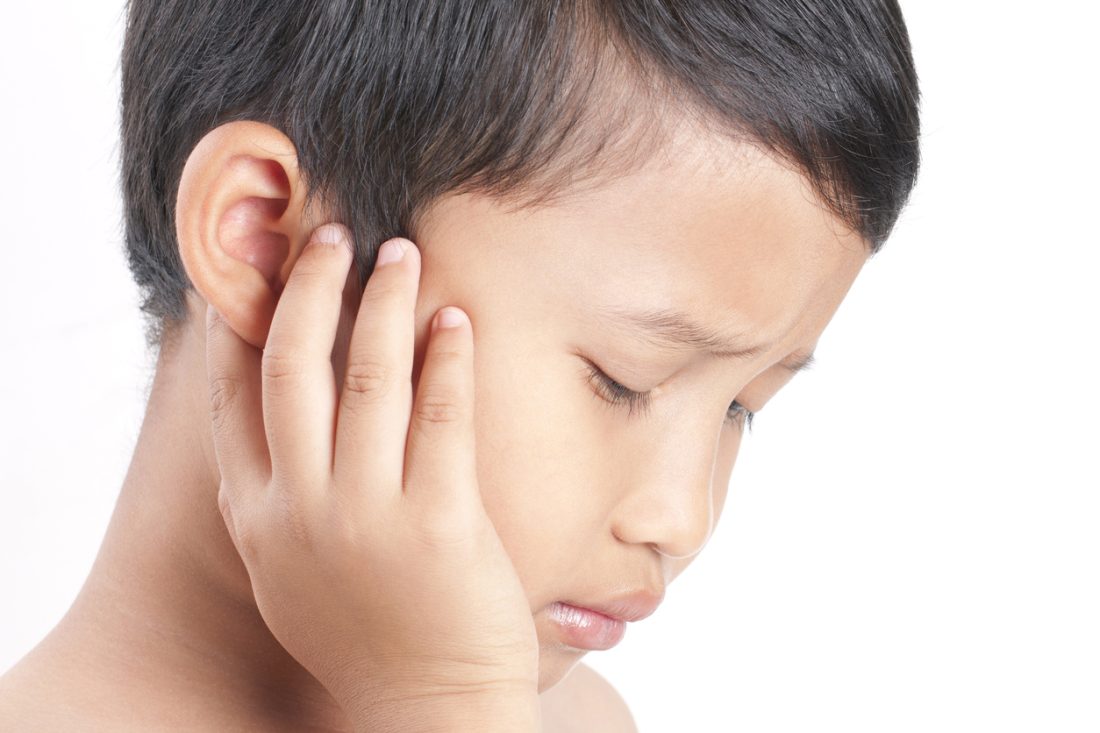
Ear Infections in Kids
Understand what to do if your child has ear pain
Ear infections are common in children; in fact, they’re the leading reason kids see a doctor and the number one reason they’re prescribed an antibiotic. In the US, 80% of kids have an ear infection before they turn 3. That proved true in my house—2 of my 3 kids had ear infections when they were little! Ear infections cause children and parents many sleepless nights, so many of you want to learn more about them.
There are 3 main ear conditions:
Otitis Externa (OE). This is an infection of the outer ear or ear canal—the opening you can look into from the outside. OE is also called “swimmer’s ear” since water can irritate the ear canal and allow bacteria or fungus to grow. Swimmer’s ear infections can cause intense itching, soreness, and pain. It’s generally easy to treat with eardrops, acetaminophen, or ibuprofen for pain.
Otitis Media with Effusion (OME). This is caused by pressure changes in the middle ear due to fluid buildup. This fluid may cause muffled hearing, a sense of fullness in the ears, and mild discomfort, but it doesn’t need antibiotics to clear up. In most cases, all that’s necessary is time for the drainage to improve.
Acute Otitis Media (AOM). This is an infection of the middle ear caused by viruses or bacteria. It can cause pain, a sense of fullness in the ear, and muffled hearing. These are the infections that parents ask most about and prompt more doctor visits than any other infections. Let’s talk more about these.
The middle ear is located behind the eardrum and is connected to the back of the throat by the small eustachian tube. Normally, the middle ear is air-filled, but in otitis media, the space fills up with fluid. This fluid buildup often occurs during colds or allergies. Usually, this fluid drains and doesn’t cause a problem.
Sometimes the middle ear space becomes inflamed and causes an infection. In many cases, they’re caused by the virus that started the cold in the first place. That’s why many (up to 3 out of 4) ear infections can get better on their own. Often, if a child is over 2 years old and doesn’t seem ill, we recommend waiting to see if they get better within 48 to 72 hours without antibiotics. That’s right— not every ear infection needs an antibiotic!
More information about AOM or ear infections in kids:
- If your child has ear pain, treat the pain with ibuprofen or acetaminophen and call your doctor for advice. We’ll examine the ear using an otoscope. Sometimes kids are scared when we look in their ears because they think this tool is hot and will hurt them. It helps to tell them it’s just a flashlight! Depending on your child’s age, medical history, and the severity of the illness, antibiotics may be prescribed.
- Ear infections aren’t contagious. However, if your child has a cold that led up to the ear infection, the cold may be contagious if they’re still having symptoms. They can head back to daycare or school as soon as their cough and runny nose are under control, they haven’t had a fever for 24 hours (without using a fever reducer), and their ear pain is better.
- Some children with frequent ear infections or persisting fluid in their middle ear may need “ear tubes.” These pressure-equalizing tubes (PE tubes) are inserted into their eardrums to decrease recurrent infections. However, this surgery is only done in the most serious cases.
In general, the rate of ear infections has been decreasing. While you may not be able to prevent all ear infections there are some things you can try.
Help prevent ear infections by:
- Don’t smoke or allow anyone to smoke around your child or in your home or car. Smoke exposure increases the rate of ear infections. If you smoke, talk with your doctor they can help you quit. Quitting is hard, but important for your child’s health and your own.
- Breastfeed your baby if you can. Babies who are breastfed for at least 6 months have fewer ear infections.
- Immunize your child. To help protect your child against the most common causes of ear infections, make sure they get:
- Hib (Haemophilus influenza type B) and pneumococcal vaccines – these 2 immunizations protect against the leading causes of ear infections, pneumonia, and meningitis in children.
- Flu vaccine – all children 6 months and older need this effective and safe vaccine annually.
- Limit pacifier use to naps and bedtime. Offering a pacifier when a baby sleeps is recommended to reduce the risk of SIDS, but using it all day may increase ear infections.
- Hold your baby upright during feedings, and don’t put your baby to bed with a bottle.
- Limit contact with cold germs by teaching your kids good hand-washing habits and staying away from sick people.
- Do not insert anything into your child’s ears. Pushing cotton swabs or any other objects into the ears can lead to impacted wax, infections, and punctured ear drums.
If you have tried all of these and your child is still getting ear infections, it may be helpful to know that as they grow and their face shape changes, kids are less likely to get them. Children’s eustachian tubes are small and angled in a way that gets blocked more easily, but this changes in older kids and adults. So, time is on your side – as your child grows, they will probably grow out of ear infections!
Resources For Parents
American Academy of Pediatrics
My Doctor Online


About the Author

Disclaimer: If you have an emergency medical condition, call 911 or go to the nearest hospital. An emergency medical condition is any of the following: (1) a medical condition that manifests itself by acute symptoms of sufficient severity (including severe pain) such that you could reasonably expect the absence of immediate medical attention to result in serious jeopardy to your health or body functions or organs; (2) active labor when there isn't enough time for safe transfer to a Plan hospital (or designated hospital) before delivery, or if transfer poses a threat to your (or your unborn child's) health and safety, or (3) a mental disorder that manifests itself by acute symptoms of sufficient severity such that either you are an immediate danger to yourself or others, or you are not immediately able to provide for, or use, food, shelter, or clothing, due to the mental disorder. This information is not intended to diagnose health problems or to take the place of specific medical advice or care you receive from your physician or other health care professional. If you have persistent health problems, or if you have additional questions, please consult with your doctor. If you have questions or need more information about your medication, please speak to your pharmacist. Kaiser Permanente does not endorse the medications or products mentioned. Any trade names listed are for easy identification only.