



What is a Midwife?
Exciting news! Your pregnancy test is positive. Now it’s time to choose a clinician to care for you throughout pregnancy. There are several options to consider, including doctors (MD or DO), nurse practitioners (NPs), and certified nurse midwives (CNMs).
When people hear that I’m a midwife, they often assume I deliver babies at home. I love to use these opportunities to explain what I do as a certified nurse midwife (CNM). Let’s dive in, and I’ll explain what we are all about!
What is a midwife?
Certified Nurse Midwives (CNMs) are experts in low-risk prenatal care and birth. They independently care for women with low-risk pregnancies. A midwife can also collaborate with an obstetrician to care for women with high-risk pregnancies. If you have a pregnancy complicated by conditions like high blood pressure, multiple fetuses, diabetes, or seizures, you will need to have an obstetrician take care of you, but in many cases you can also partner with a midwife for additional support.
A midwife can assist you in keeping you and your baby as healthy as possible. Most work with a group of midwives. Each day one is on call for labor and births, and the others see families in the clinic or run group prenatal visits. You may not be able to choose which midwife is at your delivery, but by meeting multiple midwives in the practice during your prenatal care, you’ll probably have met the one who is at your birth.
There are several types of midwives. CNMs are the most highly trained type of midwife. They’re registered nurses with an additional graduate-level nurse-midwifery degree and a general nursing degree. They must pass the American Midwifery Certification Board (AMCB) national certification exam.
CNMs can care for women from their teenage years through menopause. Their training is typically in a hospital setting, but CNMs can practice in any birth location. With their licensing, CNMs can prescribe medications in all 50 states.
Other types of midwives
The term “midwife” includes several types besides certified nurse midwives. It’s essential to understand the differences so you can make the best choice for your care.
- Certified Midwives (CMs) are highly trained midwives but are not nurses. They have a non-nursing undergraduate degree and then complete a graduate-level midwifery degree. CMs pass the same national exam as CNMs.
- Certified Professional Midwives (CPMs) receive training through an apprenticeship or educational program that does not require a degree. CPMs focus on home and birth center care and are not nurses. They are accredited by the Midwifery Education Accreditation Council (MEAC).
- Lay Midwives are not certified, licensed, or legislated, and do not have nursing or medical training. Sometimes, they are referred to as traditional midwives.
What do Certified Nurse Midwives do?
CNMs provide different types of care depending on the practice setting. In some locations, CNMs care for women throughout their lifespan. In others, they only care for women during pregnancy, birth, and the first few weeks after giving birth. Their scope of practice can include:
- Caring for you throughout pregnancy including exams and ultrasounds.
- Helping you during labor and delivering your baby.
- Postpartum care after your baby is born.
- Providing sexual and reproductive health education and exams.
- Giving you annual gynecological exams, cervical screenings, and breast exams.
- Providing family planning services.
- Guiding you with preconception health and education.
- Being experts on breastfeeding.
- Prescribing medications.
- Assisting with cesarean births.
- Ordering and understanding ultrasounds, lab results, and other diagnostic tests.
- Managing medical emergencies.
- Providing wellness education.
Why choose a midwife?
Healthcare provided by educated, trained, regulated, and licensed certified nurse midwives has many benefits, including the following:
- Fewer interventions such as cesarean births, vacuums, forceps, and episiotomies.
- Lower risk of preterm birth.
- Higher satisfaction with your birth experience.
- Decreased tearing during birth.
- Increased likelihood of a good start to breastfeeding.
- A more hands-on and holistic approach.
- Birthing parents experience an increased sense of control.
- Higher rates of vaginal birth after a cesarean section (VBAC).
There are many reasons to choose a CNM as your care partner. As a CNM, I am passionate about providing excellent, evidence-based, compassionate, and supportive care. I want you to be empowered to speak up, share your wishes and concerns, and feel confident in making healthcare choices and decisions.
When parents choose nurse midwives, I see them actively involved in their pregnancies. It brings me joy to receive feedback from families about the wonderful care they experienced. Even more important, it’s rewarding to see the safe and excellent outcomes midwifery care provides.
Resources for Parents
American Academy of Pediatrics
My Doctor Online


Featured Author
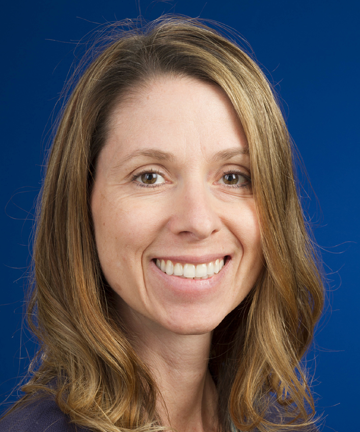 Ruth Mielke, CNM wrote a biography that starts: I joined Kaiser Permanente South Sacramento in 2002 after completing my midwifery training. Most of my clinical training took place at this same facility, and I valued the role nurse midwives played in providing high-quality care. I moved several times but stayed within the Kaiser Permanente system in Santa Rosa and Santa Clara.
Ruth Mielke, CNM biography reads: After almost 17 years at Kaiser Permanente, my family left California for several years, and I practiced as a nurse midwife in Massachusetts. During our time there, I returned to Frontier Nursing University and earned my Doctorate of Nursing Practice (DNP). My culminating quality improvement project focused on perinatal depression screening and treatment.
I’m delighted to be back in California as of 2024 and working again at Kaiser Permanente in Redwood City. After working at other medical care systems, I have a huge appreciation for the integrated and comprehensive care provided at Kaiser Permanente. There was nowhere else I even considered working!
Read more here: https://mydoctor.kaiserpermanente.org/ncal/providers/ruthmielke
Ruth Mielke, CNM wrote a biography that starts: I joined Kaiser Permanente South Sacramento in 2002 after completing my midwifery training. Most of my clinical training took place at this same facility, and I valued the role nurse midwives played in providing high-quality care. I moved several times but stayed within the Kaiser Permanente system in Santa Rosa and Santa Clara.
Ruth Mielke, CNM biography reads: After almost 17 years at Kaiser Permanente, my family left California for several years, and I practiced as a nurse midwife in Massachusetts. During our time there, I returned to Frontier Nursing University and earned my Doctorate of Nursing Practice (DNP). My culminating quality improvement project focused on perinatal depression screening and treatment.
I’m delighted to be back in California as of 2024 and working again at Kaiser Permanente in Redwood City. After working at other medical care systems, I have a huge appreciation for the integrated and comprehensive care provided at Kaiser Permanente. There was nowhere else I even considered working!
Read more here: https://mydoctor.kaiserpermanente.org/ncal/providers/ruthmielke Disclaimer: If you have an emergency medical condition, call 911 or go to the nearest hospital. An emergency medical condition is any of the following: (1) a medical condition that manifests itself by acute symptoms of sufficient severity (including severe pain) such that you could reasonably expect the absence of immediate medical attention to result in serious jeopardy to your health or body functions or organs; (2) active labor when there isn't enough time for safe transfer to a Plan hospital (or designated hospital) before delivery, or if transfer poses a threat to your (or your unborn child's) health and safety, or (3) a mental disorder that manifests itself by acute symptoms of sufficient severity such that either you are an immediate danger to yourself or others, or you are not immediately able to provide for, or use, food, shelter, or clothing, due to the mental disorder. This information is not intended to diagnose health problems or to take the place of specific medical advice or care you receive from your physician or other health care professional. If you have persistent health problems, or if you have additional questions, please consult with your doctor. If you have questions or need more information about your medication, please speak to your pharmacist. Kaiser Permanente does not endorse the medications or products mentioned. Any trade names listed are for easy identification only.