



Kids and Chatbots: What Parents Should Know
Have you ever played with some of the popular AI chatbots out there?
I’m a pediatrician, and I first heard about AI chatbots from some of my patients. Out of curiosity, I decided to explore a popular platform where you can “chat” with famous personalities. I found myself talking to the Wright Brothers about their inspiration for building the first airplane. I even asked “Snoop Dogg” what he really thinks about Martha Stewart. Fun!
But then I paused. This was entertaining – but what are the costs?
What is AI and how are kids using it?
Artificial intelligence has, until recently, followed a set of rules to assist a person with answering a question. When we ask “Siri” or “Alexa” for recommendations, information, or to complete a task, we’re using traditional AI.
More recently, chatbots use “generative AI.” This learns from content available to it and creates content. For example, if you enter details about your friend – how old they are, what they look like, enjoy doing, and like to eat – the chatbot can come up with an entertaining poem or song to celebrate their birthday. Generative AI can also create images and compose music. It can write emails, essays, and homework assignments. Our kids are using AI to do all these tasks.
They may also ask AI for advice about personal issues. Some kids are using generative AI in a more concerning way – they’re forming “relationships” with chatbots.
The rise of AI companionship
As AI becomes more advanced, it’s showing up in more homes. Kids and teens are using AI for everything from homework help to companionship and emotional support.
In fact, recent reports show that over 70 percent of teens have tried AI chatbots, and a growing number even described being in romantic relationships with them.
This raises some big questions for families, such as:
- How much time are kids spending chatting with AI?
- What kinds of personal information are they sharing?
- How might this affect their social and emotional development?
Understanding technology (even when it feels overwhelming)
In the clinic, I often meet families who don’t realize how much time their kids spend on devices or who feel unsure about how these tools work. I completely understand. Life is busy, and technology evolves fast.
But just as we teach kids about healthy relationships, we now need to help them develop healthy relationships with technology.
AI tools can be creative, educational, and even comforting – but they also come with unknowns. They make mistakes and are inherently biased. We don’t yet fully understand the long-term effects of chatting with AI, or how safe and accurate these systems really are.
It’s important to prepare for this AI future, especially as adults and kids become more familiar with these technologies. In the coming years, I expect to see more guidance from health care organizations to help families navigate this new world safely. For now, parents need to take this issue into their own hands.
Where to start: practical tips and resources
Start by talking with your kids:
- Ask them what AI tools they’re already using and have them show you some examples. It can help open the conversation to be open to learning from them!
- Talk about the risks of AI. Kids need to understand that AI is cool but can be very risky. AI tools are biased by the perspectives and limited knowledge of the people who “train” them. This bias can reinforce harmful stereotypes and discrimination. Also, AI makes mistakes and can feed us dangerous misinformation.
- Reinforce that AI isn’t human. There’s no replacement for the company of real friends and the support of a trusted adult. Reassure your kids that they can ask you anything – and you’ll always help them solve problems.
- Make sure they use AI for tasks like researching and helping find answers to questions, but not for creating essays, which can be considered plagiarism. A child who uses AI to complete homework assignments isn’t learning the material as effectively as they would without it.
Here are a few trusted resources to help you and your family learn more:
- Learn about the benefits and risks: How AI Chatbots Affect Kids: Benefits, Risks & What Parents Need to Know – HealthyChildren.org
- Talk to your children and teens about AI: Parents’ Ultimate Guide to Generative AI – Common Sense Media
Finding balance in the digital age
Just as social media changed the way we connect, AI chatbots are likely to become a growing part of kids’ online lives. The key is to find a healthy balance, using technology as a tool but not a replacement for real human connection.
Encourage your family to mix screen time with time outdoors, face-to-face conversations, and shared experiences. Technology can be an incredible part of childhood – but it should never replace the joy of being present in the real world.


Featured Author
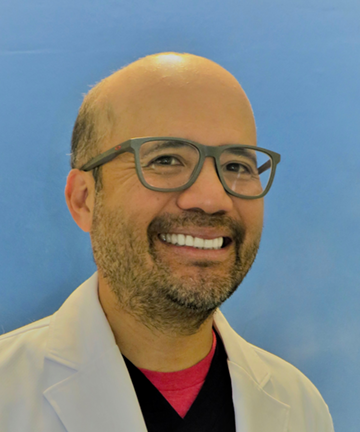 Dr. Paul Espinas' biography reads: To start, I love being a Pediatrician because I can make the most difference in people’s lives.
I am excited to practice at Kaiser Permanente Hayward and look forward to working with you. I believe that enabling and educating families are the best ways I can help in raising healthy children.
I grew up in the Bay Area and received my bachelor’s degree in biology from the University of California, Riverside with a minor in creative writing. I then obtained my medical degree from Tufts University in Boston, Massachusetts. After completing my training in pediatrics at the Kaiser Permanente Medical Center in Oakland, CA ,I was able to serve as Chief Resident there.
I've been fortunate enough to participate in medical missions to the Philippines and Guatemala.
Read more at https://mydoctor.kaiserpermanente.org/ncal/doctor/paulespinas
Dr. Paul Espinas' biography reads: To start, I love being a Pediatrician because I can make the most difference in people’s lives.
I am excited to practice at Kaiser Permanente Hayward and look forward to working with you. I believe that enabling and educating families are the best ways I can help in raising healthy children.
I grew up in the Bay Area and received my bachelor’s degree in biology from the University of California, Riverside with a minor in creative writing. I then obtained my medical degree from Tufts University in Boston, Massachusetts. After completing my training in pediatrics at the Kaiser Permanente Medical Center in Oakland, CA ,I was able to serve as Chief Resident there.
I've been fortunate enough to participate in medical missions to the Philippines and Guatemala.
Read more at https://mydoctor.kaiserpermanente.org/ncal/doctor/paulespinas Disclaimer: If you have an emergency medical condition, call 911 or go to the nearest hospital. An emergency medical condition is any of the following: (1) a medical condition that manifests itself by acute symptoms of sufficient severity (including severe pain) such that you could reasonably expect the absence of immediate medical attention to result in serious jeopardy to your health or body functions or organs; (2) active labor when there isn't enough time for safe transfer to a Plan hospital (or designated hospital) before delivery, or if transfer poses a threat to your (or your unborn child's) health and safety, or (3) a mental disorder that manifests itself by acute symptoms of sufficient severity such that either you are an immediate danger to yourself or others, or you are not immediately able to provide for, or use, food, shelter, or clothing, due to the mental disorder. This information is not intended to diagnose health problems or to take the place of specific medical advice or care you receive from your physician or other health care professional. If you have persistent health problems, or if you have additional questions, please consult with your doctor. If you have questions or need more information about your medication, please speak to your pharmacist. Kaiser Permanente does not endorse the medications or products mentioned. Any trade names listed are for easy identification only.