



When Your Child Comes Out to You
“Coming out” may be one of the hardest – and bravest – things a child may ever do. Coming out refers to sharing their experience of being LGBTQIA+, which can mean any of the following:
- Lesbian
- Gay
- Bisexual
- Transgender
- Questioning or queer
- Intersex
- Asexual
- Other identities or experiences outside of heterosexual and cisgender
To have the courage and integrity to live in the truth of who they are is something to be honored. And to be able to do so at a young age is something worth celebrating!
It can be hard for some parents to accept the news that their child isn’t exactly who they thought they were. It can be painful for some parents to let go of certain dreams they had imagined. But our children are growing and evolving in many different areas of their lives. To be a loving parent is to be there to grow with your child, and to embrace them with a fuller understanding of who they are. It’s okay for your vision of your child to change, and it’s also okay for you to struggle with it at first.
If your child comes out to you, you might feel concerned or confused. You might wonder or question what the best way is to respond, or how you can best support your child.
The most important thing for a child coming out is to know that they will always have the love and support of their people, family, and parent/s. If your child has decided to be open about who they are in a world that may not always support them, help them feel supported with a strong foundation of acceptance from their home base. Even if you don’t quite understand it all yet, try to learn more by asking questions, listening, and respecting their answers.
Some families ostracize, reject, and even disown a child when they come out. If you react to your child’s revelation with disdain, negativity, or a lack of acceptance, the results can be devastating. A child may think, “maybe they only loved who they thought I was – not who I really am.”
A parent’s rejection can permanently damage a child’s self-esteem and mental health. Research has shown it can lead to increased rates of depression and suicide, thoughts about suicide, and substance abuse problems. Supporting and accepting your child can help them thrive. Our goal should be to support our kids so they can live their most authentic lives – knowing that their family loves them as they are.
Here are some simple yet powerful things you can do to let your LGBTQIA+ child know you love and value them:
- Tell them you love them. There’s no such thing as saying that too often.
- Thank them for coming out to you. They chose you to share this personal information with and that‘s a big deal!
- Respect their confidentiality. They came out to you, but they may not be ready for everyone to know just yet.
- Reassure your child you’ll be there for them – even if you don’t fully understand things at first.
- Find or participate in family groups or programs that offer guidance and support.
- Ask your child what kind of support they need.
- Stand up for your child when others may mistreat them.
- Tell your child you love them again. It bears repeating.
If you’re having a hard time talking with your child about their gender identity, sexuality, or anything they may be experiencing, don’t hesitate to talk with their pediatrician. If you have trouble processing the changes your child is going through, or the changes expected of you as a parent now that your child has come out, consider seeking guidance and support from a therapist or professional.
And most importantly, reassure your child you love them and accept them just as they are.
Resources For Parents
My Doctor Online
Helplines for People Who Are or May Be LGBTQ
The Trevor Project


Featured Author
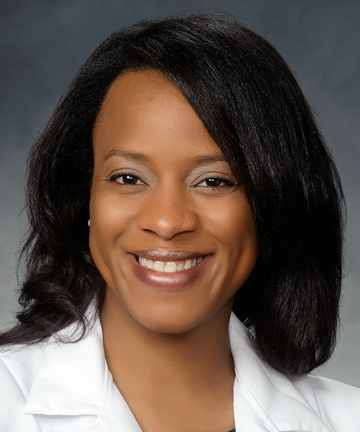 Dr. Woods biography reads: I was born and raised in Philadelphia, Pennsylvania and left for Washington, DC to attend Howard University for my college and medical school education. I then completed my residency training at Harbor-University of California, Los Angeles Medical Center in Southern California. I continued practicing at Harbor-UCLA Medical Center for 3 years following my residency and then at St. John’s Well Child and Family Center, a nonprofit community healthcare clinic, before relocating to Sacramento.
Dr. Wood's full biography can be found on My Doctor Online.
Dr. Woods biography reads: I was born and raised in Philadelphia, Pennsylvania and left for Washington, DC to attend Howard University for my college and medical school education. I then completed my residency training at Harbor-University of California, Los Angeles Medical Center in Southern California. I continued practicing at Harbor-UCLA Medical Center for 3 years following my residency and then at St. John’s Well Child and Family Center, a nonprofit community healthcare clinic, before relocating to Sacramento.
Dr. Wood's full biography can be found on My Doctor Online. Disclaimer: If you have an emergency medical condition, call 911 or go to the nearest hospital. An emergency medical condition is any of the following: (1) a medical condition that manifests itself by acute symptoms of sufficient severity (including severe pain) such that you could reasonably expect the absence of immediate medical attention to result in serious jeopardy to your health or body functions or organs; (2) active labor when there isn't enough time for safe transfer to a Plan hospital (or designated hospital) before delivery, or if transfer poses a threat to your (or your unborn child's) health and safety, or (3) a mental disorder that manifests itself by acute symptoms of sufficient severity such that either you are an immediate danger to yourself or others, or you are not immediately able to provide for, or use, food, shelter, or clothing, due to the mental disorder. This information is not intended to diagnose health problems or to take the place of specific medical advice or care you receive from your physician or other health care professional. If you have persistent health problems, or if you have additional questions, please consult with your doctor. If you have questions or need more information about your medication, please speak to your pharmacist. Kaiser Permanente does not endorse the medications or products mentioned. Any trade names listed are for easy identification only.